In any investigation of a criminal network, the operational staff often provide the most revealing documentation. While prosecutors chase high-profile associates and victims seek justice, the administrative records—schedules, flight manifests, coordination emails—map the actual mechanics of how everything functioned. In the Epstein archive, pilot Larry Visoski appears in 2,230 documents alongside assistant Lesley Groff, creating a documentary trail that illuminates the logistical backbone of Epstein's operation.
The Numbers Tell a Story
The document co-occurrence patterns in the Epstein archive reveal distinct tiers of involvement. At the top sits Lesley Groff with 31,897 documents tied to Epstein—the single largest concentration of shared records. Ghislaine Maxwell, despite her prominent role, appears in only 2,152 documents with Epstein. Boris Nikolic, the science advisor named in Epstein's will, shows up in 2,073 documents.
Larry Visoski's 2,230 shared documents with Groff represent something different: the intersection of aviation logistics and administrative coordination. These weren't social acquaintances or occasional visitors. This was the operational core—the people who made Epstein's constant movement between residences possible.
What Pilots See
Visoski served as Epstein's primary pilot for decades, commanding the infamous Boeing 727 that ferried passengers between New York, Palm Beach, the New Mexico ranch, Paris, and Little St. James Island. Flight logs don't just record destinations; they document who traveled when, creating an indelible record that couldn't be easily destroyed or denied.
The volume of documents connecting Visoski to Groff suggests constant coordination. Flight manifests required passenger lists. International flights needed customs documentation. Aircraft maintenance demanded scheduling around passenger needs. Each flight generated paperwork, and much of that paperwork flowed through Groff's office.
During his testimony in the Ghislaine Maxwell trial, Visoski provided details that only someone in his position could offer. He identified passengers, confirmed travel patterns, and described the routine operation of Epstein's air fleet. Documents show he flew Epstein's aircraft from the 1990s through 2013, spanning the entire period when trafficking activities occurred.
The Administrative Nexus
Lesley Groff's role extended far beyond typical executive assistant duties. Her 31,897 documents with Epstein represent daily operational management—not just of his schedule, but of his entire ecosystem. When those documents intersect with Visoski's aviation records 2,230 times, it reveals the coordination required to maintain Epstein's lifestyle.
Consider what each flight required: Groff would need to coordinate passenger pickup locations, communicate arrival times, arrange ground transportation at destinations, and ensure staff at various properties knew when Epstein and guests would arrive. Visoski needed passenger manifests, destination confirmations, and fuel arrangements. The documentary intersection represents this constant back-and-forth.
Court records indicate Groff handled scheduling for Epstein's massage appointments and coordinated visits from young women to his various properties. If those women needed transport between locations, that coordination would involve Visoski's flight schedules. The documents connect scheduling to execution.
The Pattern of Movement
Epstein's lifestyle required constant movement. He maintained residences in Manhattan, Palm Beach, New Mexico, Paris, and the Virgin Islands, plus the aircraft themselves functioned as mobile offices. Flight logs obtained through litigation show hundreds of flights annually, creating a complex web of movement that required professional management.
The 2,230 documents connecting Visoski and Groff likely include flight requests, manifest approvals, schedule confirmations, and post-flight reports. Each international flight generated customs declarations. Each domestic flight still required FAA compliance documentation. Multiply this by hundreds of flights across two decades, and the document volume makes sense.
What makes these operational records particularly significant is their resistance to manipulation. Epstein could control his social narrative and limit what visitors knew about his activities. But aircraft maintenance logs, flight manifests, and customs declarations existed in official channels. They documented realities that couldn't be easily revised.
Witness From the Cockpit
Visoski's eventual testimony provided prosecutors with chronological frameworks impossible to dispute. He could confirm that certain individuals flew on specific dates, visited particular properties, and traveled in certain company. His logbooks corroborated or contradicted other witness accounts.
During the Maxwell trial, Visoski testified about the presence of underage girls on flights. He described the various properties and confirmed travel patterns that aligned with victim testimony. While he maintained he never witnessed sexual activity or abuse, his records placed people in locations at times when abuse allegedly occurred.
The documents connecting Visoski to Groff represent the paper trail of those movements. When prosecutors needed to establish that Maxwell transported victims between properties, flight logs provided temporal evidence. When defense attorneys questioned timeline accuracy, aviation records offered precision.
The Support Network
Beyond Visoski himself, the aviation operation required mechanics, flight attendants, ground crew, and coordination staff. Documents show Epstein maintained multiple aircraft beyond the famous 727, including helicopters for transport between Manhattan and his island. Each vehicle required personnel, and that personnel structure generated additional documentation.
Groff's administrative role meant she interfaced with this entire apparatus. The shared documents likely include personnel matters, scheduling conflicts, maintenance coordination, and expense authorizations. These mundane operational records collectively mapped how Epstein moved himself and others across continents.
What Operational Documents Reveal
The significance of the Visoski-Groff document intersection extends beyond individual flights. It demonstrates the systematic nature of Epstein's operation. This wasn't improvised or chaotic—it was managed with corporate efficiency. Young women didn't randomly appear at various properties; their presence required coordination through the same channels that managed every other aspect of Epstein's schedule.
Flight logs entered into evidence show visits by high-profile passengers whose presence they later downplayed or denied. The logs show patterns of young women making repeated trips. They document the constant circulation between properties that victim testimony described. And crucially, they exist in multiple copies held by aviation authorities, making them nearly impossible to destroy completely.
The 2,230 documents connecting Visoski and Groff represent the operational reality behind Epstein's public persona. While he cultivated an image as a financier and intellectual, these records show the daily logistics of maintaining properties across three continents and transporting a rotating cast of visitors between them.
The Archives Remember
One of the recurring patterns in the Epstein archive is how operational necessity created evidence. Epstein could coach witnesses, deploy lawyers, and leverage relationships to shape narratives. But aircraft don't fly without manifests. International borders don't open without customs documentation. The FAA doesn't ignore missing maintenance logs.
Larry Visoski's presence in 2,230 documents alongside Lesley Groff captures this tension between operational necessity and criminal concealment. Every flight that transported victims also generated official records. Every coordination between assistant and pilot created documentary evidence. The very efficiency that enabled Epstein's lifestyle also documented it.
For investigators and historians, these operational records provide ground truth. They establish timelines, confirm presence, and map the infrastructure that made everything else possible. The pilot who flew the planes and the assistant who coordinated the schedules may not have been the primary perpetrators, but their shared documentary trail illuminates how the entire system functioned.
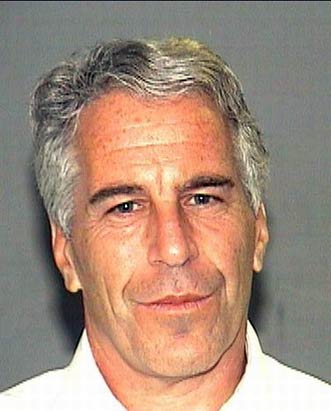 Jeffrey Epstein
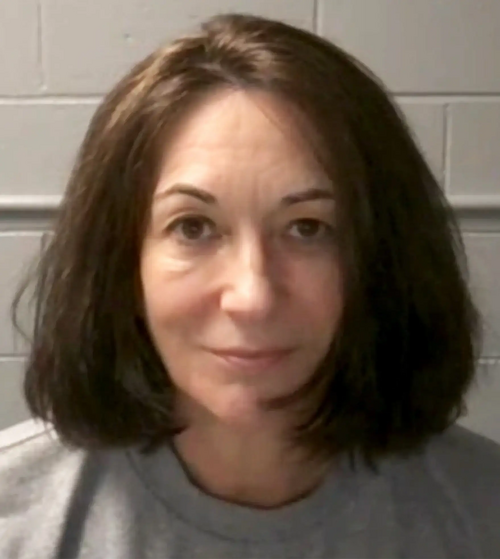 Ghislaine Maxwell