In the intersection of science, philanthropy, and scandal, few relationships from the Epstein archive are as intellectually troubling as that of Lawrence Krauss, the theoretical physicist who maintained social and professional ties with Jeffrey Epstein well after the financier's 2008 conviction for soliciting prostitution from a minor.
Krauss appears in 4,381 documents in the Epstein archive, a frequency that speaks to ongoing contact rather than distant acquaintance. The documents reveal not just a professional relationship based on scientific philanthropy, but a social connection that persisted into troubling territory.
The Origins Project Connection
Multiple documents reference Krauss's Origins Project at Arizona State University and its connection to Epstein's network. Document 42436 and Document 45814 show materials from an "Origins Project Scientific Workshop" held February 24-26, 2017, focusing on "Challenges of Artificial Intelligence: Envisioning and Addressing Adverse Outcomes."
This was nearly nine years after Epstein's 2008 conviction. The fact that these materials appear in Epstein's seized documents suggests either his attendance, invitation, or some form of involvement in funding or supporting the event. The Origins Project, which Krauss founded and directed at ASU, frequently brought together prominent scientists, public intellectuals, and celebrities to discuss cosmology, physics, and the future of humanity.
Epstein had long positioned himself as a patron of cutting-edge science, donating millions to research institutions and cultivating relationships with prominent academics. For scientists seeking funding for ambitious projects, Epstein's money proved difficult to refuse, even after his criminal conviction became public knowledge.
The "Men of the World Conference" Email
The most disturbing document in Krauss's file is Document 43049, an email dated April 5, 2018, sent from Lawrence Krauss to Jeffrey Epstein at the address [email protected]. The email is marked "High" importance and contains a brief but revealing message:
"Let's do a men of the world conference.
Kevin spacey
Bill Clinton
Al frank"
The timing and content of this message are extraordinary. By April 2018, all three men Krauss listed were embroiled in serious scandal:
- Kevin Spacey had been accused by multiple men of sexual misconduct, including actor Anthony Rapp, who alleged Spacey made sexual advances toward him when Rapp was 14 years old. Spacey's career had effectively ended by late 2017.
- Bill Clinton had long-established connections to Epstein, including multiple flights on Epstein's private aircraft, which had become a subject of intense media scrutiny.
- Al Franken (presumably the "Al frank" referenced) had resigned from the U.S. Senate in January 2018 following multiple allegations of sexual misconduct.
The casual tone of the email—"Let's do a men of the world conference"—suggests either stunning tone-deafness or a darker gallows humor about men facing accusations of sexual misconduct. That Krauss would propose gathering these specific individuals with Epstein, a registered sex offender, raises profound questions about his judgment and the nature of their relationship.
The phrase "men of the world" itself carries implications of sophisticated cosmopolitanism, but in this context reads as a euphemism for men who had faced or would face serious allegations of sexual impropriety.
Skype Communications
Document 49330 and Document 49331 reference Skype communications involving Krauss. Document 49331 specifically shows metadata from a Skype conversation with a user identified as "lawkrauss," with a display name of "Lawrence Krauss" and timestamps from July and August 2017.
These technical artifacts indicate that Epstein and Krauss maintained direct digital communication channels. The presence of this metadata in the investigation files suggests that law enforcement examined these communications as part of their case against Epstein.
The Public Defense
What makes Krauss's relationship with Epstein particularly notable is that he publicly defended the convicted sex offender. According to the description in the archive, Krauss defended Epstein in media appearances after the 2008 conviction, a stance that would later haunt his own reputation.
In interviews, Krauss characterized Epstein as someone interested in science and philanthropy, minimizing the severity of his crimes. This public rehabilitation effort by a respected scientist lent Epstein a veneer of intellectual legitimacy during a period when he was actively working to rebuild his public image.
The Science Funding Dilemma
Krauss's case exemplifies a broader problem in scientific research: the ethical compromises institutions and individuals make in pursuit of funding. Epstein donated to multiple scientific causes and institutions, including Harvard, MIT, and various individual researchers' projects.
For scientists like Krauss, who directed programs requiring significant financial support, the temptation to overlook a donor's criminal history—particularly when that donor showed genuine interest in cutting-edge research—created moral hazards that many failed to navigate appropriately.
The Origins Project brought together luminaries from science, philosophy, and entertainment to discuss humanity's biggest questions. Funding such ambitious programming required substantial resources, and Epstein positioned himself as someone willing to support intellectually adventurous projects that traditional funding sources might overlook.
The Reckoning
According to the archive description, Krauss "later expressed regret for defending Epstein." This reversal came too late to prevent damage to his own reputation. By 2018, Krauss himself faced allegations of sexual misconduct from multiple women, leading to his retirement from Arizona State University and the cessation of the Origins Project.
The parallels between Krauss's trajectory and those of the men he listed in his "men of the world conference" email are striking. What might have been intended as dark humor or a gathering of the disgraced instead became part of the documentary record of his own judgment failures.
Document Frequency and Relationship Depth
The fact that Krauss appears in 4,381 documents—more than many individuals with more notorious connections to Epstein—indicates sustained contact over an extended period. This isn't the profile of someone who attended one fundraising dinner or had casual acquaintance with Epstein. This frequency suggests regular communication, ongoing coordination, and a relationship that extended into multiple domains of both men's lives.
Conclusion
Lawrence Krauss's presence in the Epstein documents tells a story about how intellectual ambition, funding needs, and ethical compromise intersect. A physicist who built his public reputation on rational thinking and following evidence wherever it leads demonstrated a profound failure of moral reasoning when it came to his association with a convicted sex offender.
The April 2018 email proposing a conference of disgraced men remains one of the more shocking documents in the archive—not for what it reveals about Epstein, but for what it reveals about how some in his orbit had come to normalize the presence of accused predators in their social circles.
Documents show that the relationship between science and money requires constant ethical vigilance. When that vigilance fails, as it did with Krauss and numerous other academics who took Epstein's money or defended his reputation, the damage extends beyond individual careers to public trust in scientific institutions themselves.
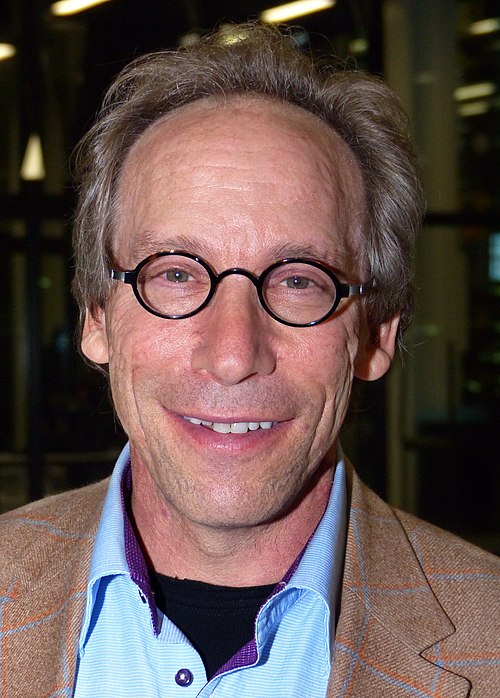 Lawrence Krauss