Jes Staley ran one of the world's largest banks. He also exchanged over 1,200 emails with Jeffrey Epstein. When British regulators started asking questions about that relationship, he resigned.
The documents show how a senior financial executive maintained contact with Epstein for years after the 2008 conviction, visited his private island, and then publicly downplayed the extent of their connection. Staley's name appears in 6,355 documents, a volume that suggests sustained engagement rather than casual acquaintance.
The JPMorgan Years
Staley joined JPMorgan in 1979 and rose to run the investment bank's private banking division. Epstein was a client. But the relationship extended beyond standard banker-client boundaries. According to court filings and regulatory investigations, Staley visited Epstein's private island in the U.S. Virgin Islands. He exchanged emails that went beyond professional courtesy.
In testimony captured in DOJ-OGR-00022459, Ghislaine Maxwell is asked about individuals in Epstein's network. The questioning turns to Staley. Attorney Todd Blanche mentions his name in a section discussing people who might be sued or held responsible. The context is fragmentary due to redactions, but Staley's name appears alongside discussion of legal liability.
JPMorgan kept Epstein as a client until 2013, five years after his conviction for soliciting prostitution from a minor. Staley left JPMorgan in 2013 to join BlueMountain Capital. Two years later, he became CEO of Barclays.
The Email Trail
Documents released by the House Oversight Committee show Staley on email distribution lists for Epstein's gatherings. HOUSE_OVERSIGHT_026549 contains a March 2012 email from Lesley Groff, Epstein's assistant, titled "2 Seminars-MONEY & POWER possible Invite List." The document shows Epstein planning exclusive events around financial and political power.
Another email from January 2018, captured in HOUSE_OVERSIGHT_019871, shows Epstein forwarding messages to himself and others about topics ranging from technology breakthroughs to historical financial figures. The casual nature of these exchanges suggests ongoing contact years after Epstein's conviction and Staley's move to Barclays.
Maxwell's testimony in DOJ-OGR-00022673 provides insight into how Epstein compartmentalized relationships. She describes having "separate lives" that occasionally "synced." This pattern of selective overlap helps explain how executives like Staley could maintain contact while claiming limited knowledge of Epstein's activities.
The Barclays Problem
Staley became Barclays CEO in December 2015. He continued corresponding with Epstein. In 2019, when Epstein was arrested on federal sex trafficking charges, the relationship became a corporate governance issue. Barclays' board requested information about Staley's ties to Epstein. He provided answers that characterized the relationship as professional.
The UK's Financial Conduct Authority and Prudential Regulation Authority launched investigations. Their focus was not whether Staley knew about Epstein's crimes, but whether he accurately described their relationship to regulators and his own board.
In November 2021, Staley resigned. Barclays announced the departure as a mutual decision after receiving preliminary findings from regulators. Staley contested the characterization, stating he would fight to clear his name. His departure came with immediate effect, no severance package initially confirmed, and a cloud of questions about what the emails actually contained.
What the Documents Reveal
The 6,355 documents mentioning Staley create a portrait of sustained engagement. His name appears not just in formal correspondence but in planning documents, invitation lists, and internal discussions. This frequency suggests more than an inherited client relationship from his JPMorgan days.
The invitation to Epstein's "MONEY & POWER" seminars places Staley in a specific circle. These were not large public events. They were curated gatherings where Epstein positioned himself as a connector between finance, technology, and influence. Staley's presence on these lists indicates he accepted that positioning.
The visit to Epstein's island is particularly significant. Little St. James was not a business venue. It was Epstein's private retreat, the location where multiple victims testified abuse occurred. Traveling there required deliberate choice and extended time commitment. It suggested personal friendship, not professional obligation.
The Regulatory Question
British regulators did not accuse Staley of criminal conduct. Their investigation focused on a narrower question: did he mislead his employer and regulators about the nature of his Epstein relationship? That distinction matters because it shows how executives can face consequences not for their associations but for how they describe them.
Staley's position was that he had a professional relationship with Epstein that continued based on his earlier role at JPMorgan. He maintained he did not know about ongoing criminal activity. The regulators' preliminary view, as reported in financial press coverage of his resignation, was that his characterization to Barclays did not match the available evidence.
The content of those 1,200 emails remains largely private. Neither Barclays nor regulators have released the full correspondence. What exists in public records are fragments: email headers, distribution lists, and occasional references in testimony.
The Institutional Cost
JPMorgan faces ongoing litigation related to its role as Epstein's primary bank. Victims have sued, arguing the bank enabled Epstein's abuse by maintaining his accounts and facilitating transactions long after his conviction. Staley's relationship with Epstein sits at the center of these claims.
The argument is not that Staley personally participated in abuse, but that his continued personal relationship with Epstein influenced business decisions about account retention. If true, it would mean personal friendship overrode institutional risk management.
Barclays avoided similar litigation because it never banked Epstein. But the reputational damage was severe. A CEO forced out over his ties to a convicted sex offender creates immediate questions about judgment and oversight.
Reading the Silence
Much about Staley's Epstein connection remains hidden behind redactions and privacy protections. The documents available show names on lists and fragmentary testimony. They do not reveal email content or the substance of conversations.
But document frequency tells its own story. 6,355 mentions across government records indicates sustained presence in Epstein's world. That volume cannot be explained by a few inherited client meetings or charitable board overlaps. It suggests years of active engagement.
Staley maintains he did nothing wrong. He contests the regulatory findings. He argues his relationship with Epstein was professional and disclosed appropriately. The full email archive might support that position. Or it might explain why regulators reached different conclusions.
What we know for certain is that a major bank CEO exchanged over 1,200 emails with a convicted sex offender, visited his private island, and then resigned when asked to explain why his initial characterization of that relationship did not match investigative findings. The documents create the outline. The details remain sealed.
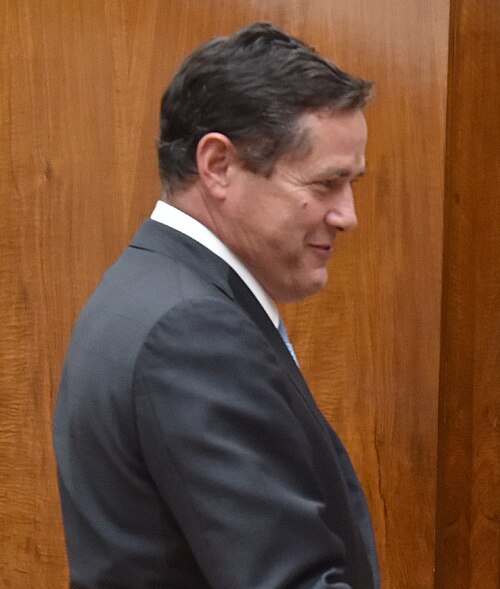 Jes Staley