HOUSE_OVERSIGHT_016133.jpg
Extracted Text (OCR)
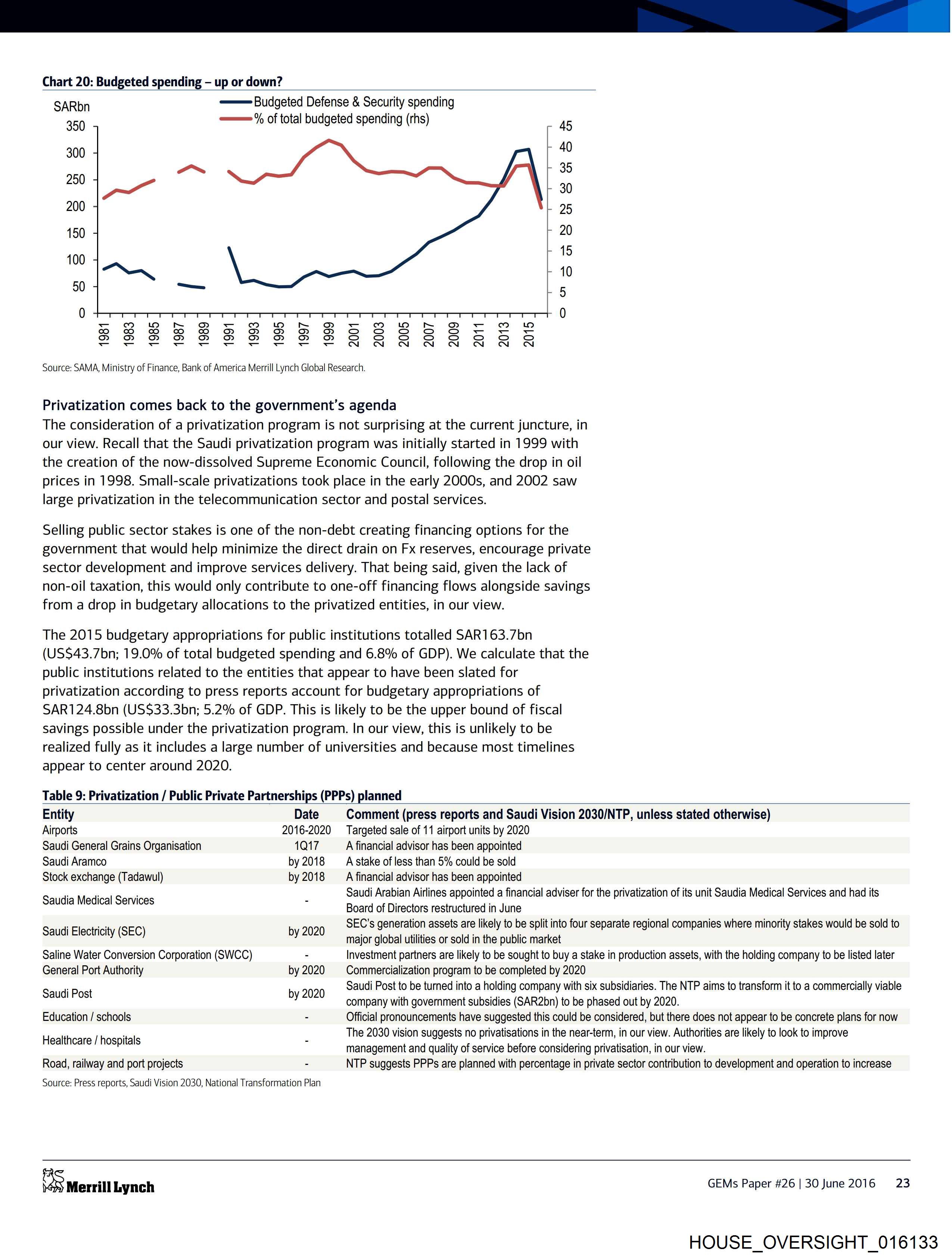
Chart 20: Budgeted spending - up or down?
SARbn Budgeted Defense & Security spending
350 ———% of total budgeted spending (rhs) 45
300
250
200
150
100
50
0
= © oO HR DODre MMR WQxreHe OW HD KR ®D
DOD DDH BHHHDDHHD SBS Ss
PDD DABDA HD DD So Ss © 5
a
Source: SAMA, Ministry of Finance, Bank of America Merrill Lynch Global Research.
2011
2013
2015
Privatization comes back to the government’s agenda
The consideration of a privatization program is not surprising at the current juncture, in
our view. Recall that the Saudi privatization program was initially started in 1999 with
the creation of the now-dissolved Supreme Economic Council, following the drop in oil
prices in 1998. Small-scale privatizations took place in the early 2000s, and 2002 saw
large privatization in the telecommunication sector and postal services.
Selling public sector stakes is one of the non-debt creating financing options for the
government that would help minimize the direct drain on Fx reserves, encourage private
sector development and improve services delivery. That being said, given the lack of
non-oil taxation, this would only contribute to one-off financing flows alongside savings
from a drop in budgetary allocations to the privatized entities, in our view.
The 2015 budgetary appropriations for public institutions totalled SAR163.7bn
(USS$43.7bn; 19.0% of total budgeted spending and 6.8% of GDP). We calculate that the
public institutions related to the entities that appear to have been slated for
privatization according to press reports account for budgetary appropriations of
SAR124.8bn (US$33.3bn; 5.2% of GDP. This is likely to be the upper bound of fiscal
savings possible under the privatization program. In our view, this is unlikely to be
realized fully as it includes a large number of universities and because most timelines
appear to center around 2020.
Table 9: Privatization / Public Private Partnerships (PPPs) planned
Entity Date Comment (press reports and Saudi Vision 2030/NTP, unless stated otherwise)
Airports 2016-2020 Targeted sale of 11 airport units by 2020
Saudi General Grains Organisation 1Q17 A financial advisor has been appointed
Saudi Aramco by 2018 = Astake of less than 5% could be sold
Stock exchange (Tadawul) by 2018 — A financial advisor has been appointed
Saudi Arabian Airlines appointed a financial adviser for the privatization of its unit Saudia Medical Services and had its
Board of Directors restructured in June
SEC's generation assets are likely to be split into four separate regional companies where minority stakes would be sold to
major global utilities or sold in the public market
Saline Water Conversion Corporation (SWCC) - Investment partners are likely to be sought to buy a stake in production assets, with the holding company to be listed later
General Port Authority by 2020 Commercialization program to be completed by 2020
Saudi Post by 2020 Saudi Post to be turned into a holding company with six subsidiaries. The NTP aims to transform it to a commercially viable
company with government subsidies (SAR2bn) to be phased out by 2020.
Education / schools - Official pronouncements have suggested this could be considered, but there does not appear to be concrete plans for now
The 2030 vision suggests no privatisations in the near-term, in our view. Authorities are likely to look to improve
management and quality of service before considering privatisation, in our view.
Road, railway and port projects - NTP suggests PPPs are planned with percentage in private sector contribution to development and operation to increase
Source: Press reports, Saudi Vision 2030, National Transformation Plan
Saudia Medical Services -
Saudi Electricity (SEC) by 2020
Healthcare / hospitals
OS Merrill Lynch GEMs Paper #26 | 30 June 2016 23
HOUSE_OVERSIGHT_016133
Document Preview

Click to view full size
Document Details
| Filename | HOUSE_OVERSIGHT_016133.jpg |
| File Size | 0.0 KB |
| OCR Confidence | 85.0% |
| Has Readable Text | Yes |
| Text Length | 3,840 characters |
| Indexed | 2026-02-04T16:27:04.573041 |