When Jes Staley resigned as CEO of Barclays in November 2021, he became the highest-profile banking executive to lose his position over ties to Jeffrey Epstein. But the 6,355 documents in the Epstein archive that mention him tell a more complex story than a simple resignation headline can convey—one of a relationship that spanned institutions, continents, and ultimately crossed professional boundaries in ways that caught the attention of financial regulators.
The JPMorgan Years
Staley's connection to Epstein began during his tenure at JPMorgan Chase, where he served in senior leadership positions from the 1980s through 2013. During much of this period, Epstein maintained banking relationships with JPMorgan, relationships that would later become the subject of litigation and regulatory scrutiny. The documents reveal that this wasn't merely a client-banker relationship—it was something more personal.
In deposition testimony captured in the archive, Ghislaine Maxwell was asked directly about Staley. According to document 22439, when attorney Todd Blanche asked about individuals Maxwell knew in connection with Epstein's financial affairs, Staley's name emerged in the conversation. The fragmented nature of the document excerpt—"that he felt he was responsible for, that if you had to back and sue you"—suggests discussion of fiduciary or professional responsibilities, though the full context remains unclear due to redactions.
A Separate Life?
Maxwell's testimony elsewhere in the archive provides insight into how those in Epstein's orbit compartmentalized their relationships with him. In document 22652, Maxwell stated: "We really had separate lives—except where they synced." This characterization—of intersecting but distinct spheres—appears to mirror how banking executives like Staley would later describe their own relationships with Epstein: professional connections that occasionally became personal, but allegedly remained separate from criminal activities.
The problem with this narrative is that the volume of documentation suggests these lives "synced" far more frequently than such characterizations imply. With 6,355 documents mentioning Staley—more than many individuals who worked directly for Epstein—the archive points to sustained, regular contact over many years.
The Email Trail
Among the most revealing aspects of the Staley documentation are email records. Document 50951 shows an email dated January 8, 2018, from Jeffrey E. ([email protected]), sent to both jeffrey epstein and containing references to "kashoggi, bunker hunt, george mitche[ll]"—apparent references to high-profile individuals in finance and politics. While Staley isn't explicitly named in the visible excerpt, the email's presence in the archive and its inclusion in searches related to him suggests he was part of Epstein's ongoing correspondence network even years after leaving JPMorgan.
Perhaps more intriguing is document 57519, an email from Lesley Groff dated March 19, 2012, with the subject line "2 Seminars-MONEY & POWER possible Invite List." The email appears to outline attendees for exclusive seminars Epstein was organizing, divided into categories. The "MONEY" seminar list includes names like "Marc Andreesen" and "Paul" (surname redacted or cut off). These seminars represent one mechanism through which Epstein maintained his network—mixing legitimate business figures with his own social circle in settings that blurred professional and personal boundaries.
The Island Visits
Public reporting, corroborated by the presence of travel-related documentation in the archive, indicates that Staley visited Epstein's private island in the Caribbean. These visits occurred while Staley was a senior executive at JPMorgan, raising questions about the nature of the relationship and whether it influenced banking decisions. The visits became a central focus of regulatory investigations in the UK after Staley moved to Barclays.
The Financial Conduct Authority (FCA) and Prudential Regulation Authority (PRA) in the United Kingdom investigated Staley's characterization of his relationship with Epstein after the nature of that relationship became public. Staley had described it as a professional relationship that developed through JPMorgan. Regulators concluded he was not sufficiently transparent about the frequency and nature of his contact with Epstein.
The Institutional Context
Staley's case illustrates how major financial institutions became entangled with Epstein. JPMorgan maintained Epstein as a client even after his 2008 conviction for soliciting prostitution from a minor—a decision that would later result in a $290 million settlement with victims who sued the bank for facilitating Epstein's operations. Documents show that senior executives, including Staley, were aware of Epstein's background yet maintained the relationship.
The email records suggest Epstein used his connections to banking executives as social currency, organizing exclusive gatherings that mixed Silicon Valley entrepreneurs, financial titans, and others. For someone like Staley, these events might have seemed like valuable networking opportunities. But they also represented Epstein's strategy of embedding himself within elite networks, making himself appear indispensable to powerful people.
The Career Consequences
When Staley moved from JPMorgan to become CEO of Barclays in 2015, he brought a distinguished banking career but also an undisclosed liability: his close relationship with a registered sex offender. After Epstein's arrest in 2019 and subsequent death, scrutiny of Staley's connections intensified. British regulators opened an investigation into whether he had fully disclosed the nature of his Epstein relationship to Barclays' board.
In November 2021, Staley resigned after seeing preliminary conclusions from the FCA and PRA investigations. He contested the findings, but the damage was done. Barclays announced he would forfeit unvested awards worth millions of pounds. For a banking executive who had reached the pinnacle of his profession, the Epstein connection proved career-ending.
What the Document Volume Tells Us
The sheer number of documents—6,355—mentioning Staley is itself significant. For comparison, many individuals who worked in administrative capacities for Epstein appear in fewer documents. This volume suggests Staley wasn't peripheral to Epstein's world during their years of contact; he was a recurring presence in communications, travel records, and other documentation.
The documents span both Staley's JPMorgan years and beyond, indicating the relationship persisted even after he left the bank where Epstein was a client. This continuity undermines any characterization of the relationship as purely professional or client-driven. When a banker maintains personal contact with a former client—especially one with Epstein's history—it suggests the relationship had evolved into something else entirely.
The Unanswered Questions
Despite the volume of documents, many questions remain unanswered. What specifically did Staley know about Epstein's activities? Were banking decisions at JPMorgan influenced by personal relationships between executives and Epstein? What was discussed during the island visits that couldn't have been addressed in New York or London offices?
The fragmented nature of many document excerpts in the archive—such as the incomplete Maxwell testimony in document 22439—hints at answers while withholding full context. This is characteristic of how the archive works: it provides evidence of connections and patterns while leaving crucial details just out of reach, either through redactions or the inherent limitations of document collections assembled for litigation rather than public transparency.
A Cautionary Tale
Staley's trajectory from prominent banking executive to forced resignation offers a case study in how association with Epstein destroyed careers and reputations. Unlike some who appear in the documents in purely professional capacities—lawyers handling routine matters, pilots filing flight logs—Staley appears to have chosen to maintain a personal relationship with Epstein that extended well beyond professional necessity.
The banking industry's reckoning with its Epstein connections continues. JPMorgan and Deutsche Bank have both faced litigation and paid substantial settlements related to their business relationships with him. For individual executives like Staley, the consequences came later but proved equally severe. The documents in the archive ensure that the full scope of these relationships, and the decisions that enabled them, remains subject to public scrutiny and historical record.
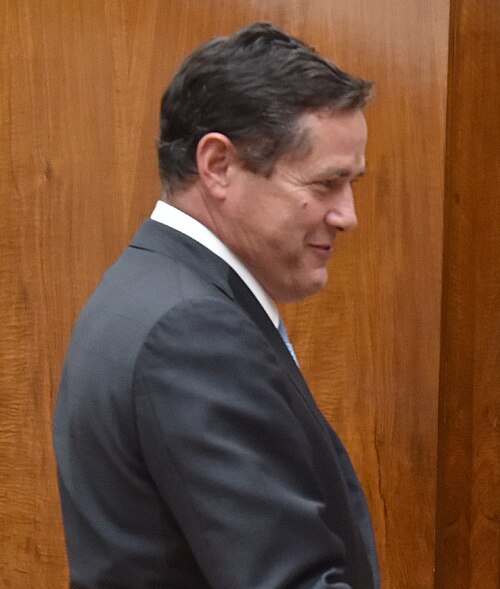 Jes Staley